Thank you for writing to us. One of our executive will reach back to you through your submitted medium. In case there’s an urgency, feel free to connect over WhatsApp for faster response.
Prefer calling? Dial +918048047656 (International callers) or 08048047656 (Indian callers).
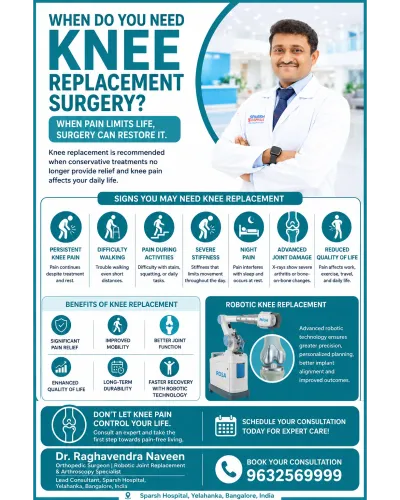
# Knee Replacement Surgery in Bangalore | Advanced Knee Arthritis Treatment
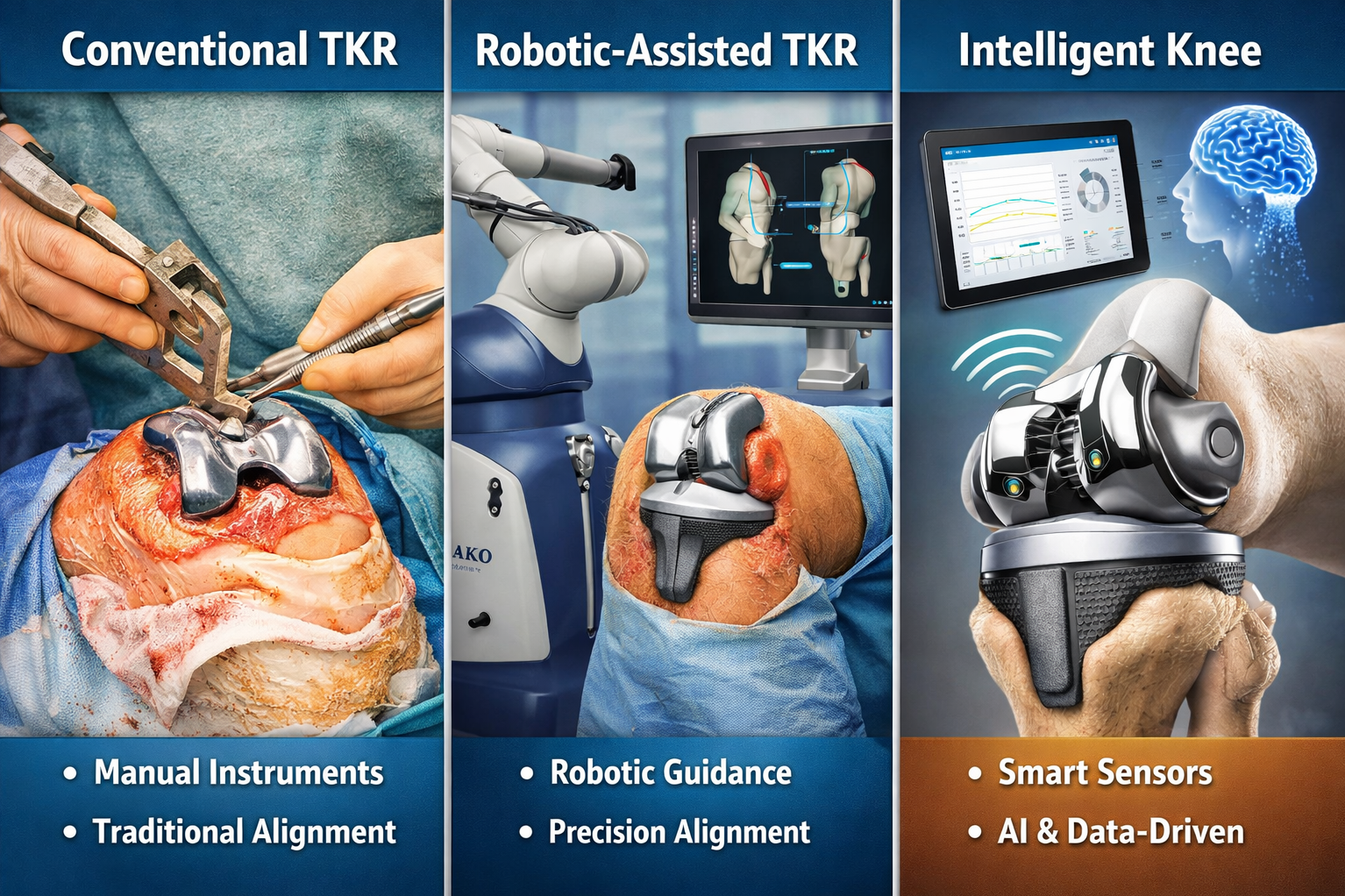
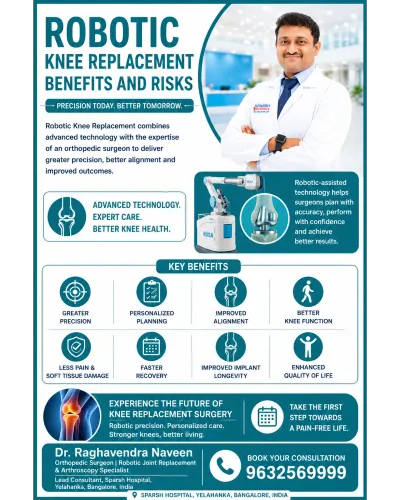
# Robotic Knee Replacement in Bangalore – Advanced Precision for Lasting Mobility
# Total Hip Replacement Surgery in Bangalore – Advanced Treatment for Hip Arthritis & Joint Damage
# Rehabilitation & Physiotherapy in Bangalore | Recovery After Orthopedic Surgery & Injury
Regenerative Orthopedics in Bangalore | PRP Therapy & Joint Preservation
#Fracture & Trauma Care in Bangalore | Orthopedic Fracture Specialist
# Spine Care & Back Pain Treatment in Bangalore
# Sports Injury Treatment in Bangalore
“Meniscus Tear Treatment & Knee Arthroscopy in Bangalore”
ACL knee Surgery
# Shoulder Instability Surgery in Bangalore
Rotator cuff repair surgery
# Shoulder Arthroscopy in Bangalore
# Geriatric Hip Fracture Treatment in Bangalore – Expert Care for Elderly Hip Fractures
# Failed Orthopaedic Surgery Treatment in Bangalore – Expert Evaluation & Revision Surgery
# Avascular Necrosis (AVN) of the Hip