
KNEE PAIN IN OLD AGE
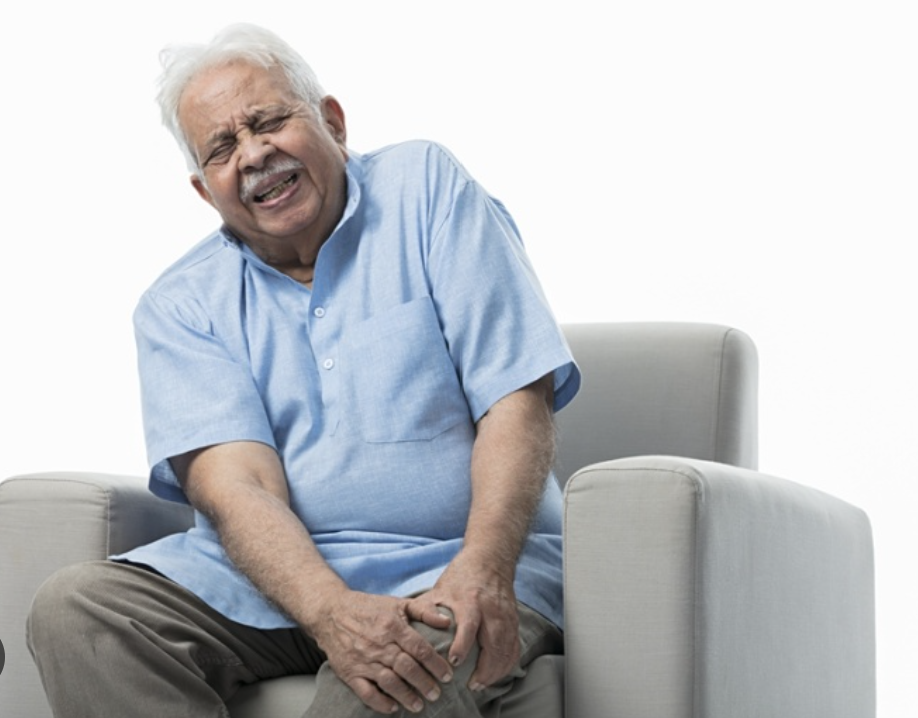
Knee pain in older adults is a common issue, often resulting from various underlying causes. Here are some key points to consider:
Common Causes:
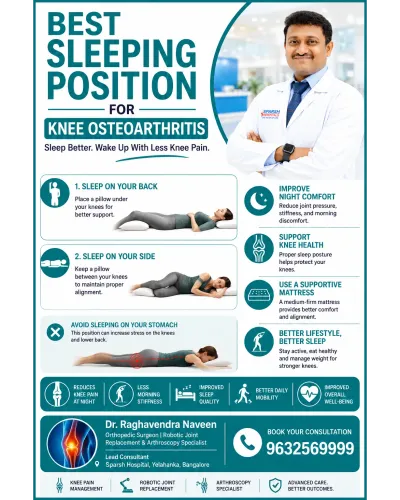
-Osteoarthritis: The most prevalent cause of knee pain in older adults, characterized by the degeneration of cartilage in the knee joint, leading to pain, stiffness, and swelling.
-Rheumatoid Arthritis: An autoimmune condition that causes inflammation in the joints, including the knees, leading to pain and deformity over time.
-Tendinitis: Inflammation of the tendons around the knee, often due to overuse or repetitive movements.
-Bursitis: Inflammation of the bursae (small fluid-filled sacs that cushion the knee joint), typically due to repetitive motion or pressure.
-Meniscus Tears: Degeneration or injury to the cartilage that acts as a cushion between the thigh bone and shin bone can cause pain and swelling.
-Previous Injuries: Old injuries, such as fractures or ligament tears, can result in chronic pain as the joint ages.
Symptoms:
-Pain: Often worsens with activity and improves with rest.
-Stiffness: Common, especially in the morning or after sitting for long periods.
-Inflammation may cause visible swelling around the knee.
Reduced Mobility: Difficulty bending or straightening the knee fully.
-Crepitus: A grating or popping sensation during movement.
Management:
Lifestyle Modifications:
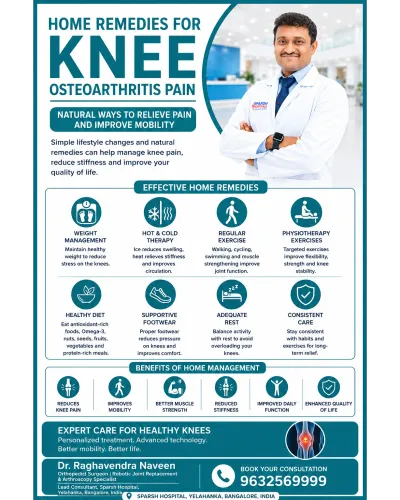
-Weight management to reduce stress on the knees.
Low-impact exercises (like swimming or cycling) to maintain mobility without stressing the joint.
Physical Therapy: Tailored exercises to strengthen the muscles around the knee and improve flexibility.
-Medications: Over-the-counter pain relievers, like acetaminophen or nonsteroidal anti-inflammatory drugs (NSAIDs), can help manage pain.
-Injections: Corticosteroid injections may provide temporary relief from inflammation, while hyaluronic acid injections can improve lubrication in the joint.
-Assistive Devices: Using canes or braces to relieve pressure on the knee can help improve mobility.
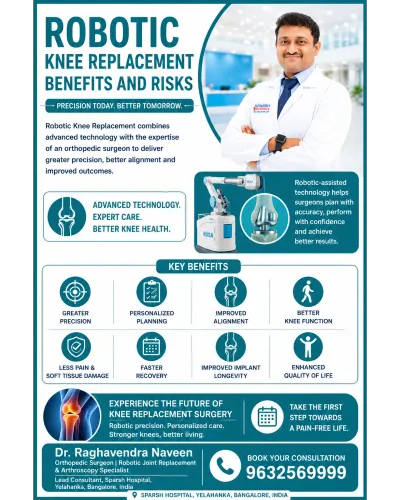
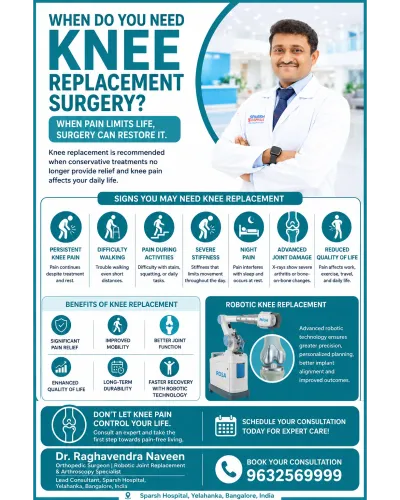
-Surgery: In severe cases, procedures like arthroscopy, osteotomy, or total knee replacement may be necessary.
When to Seek Medical Attention:
If knee pain is severe, persistent, or accompanied by significant swelling, warmth, or redness, it’s important to consult a healthcare professional for a proper diagnosis and treatment plan. Early intervention can help manage symptoms and improve quality of life.