
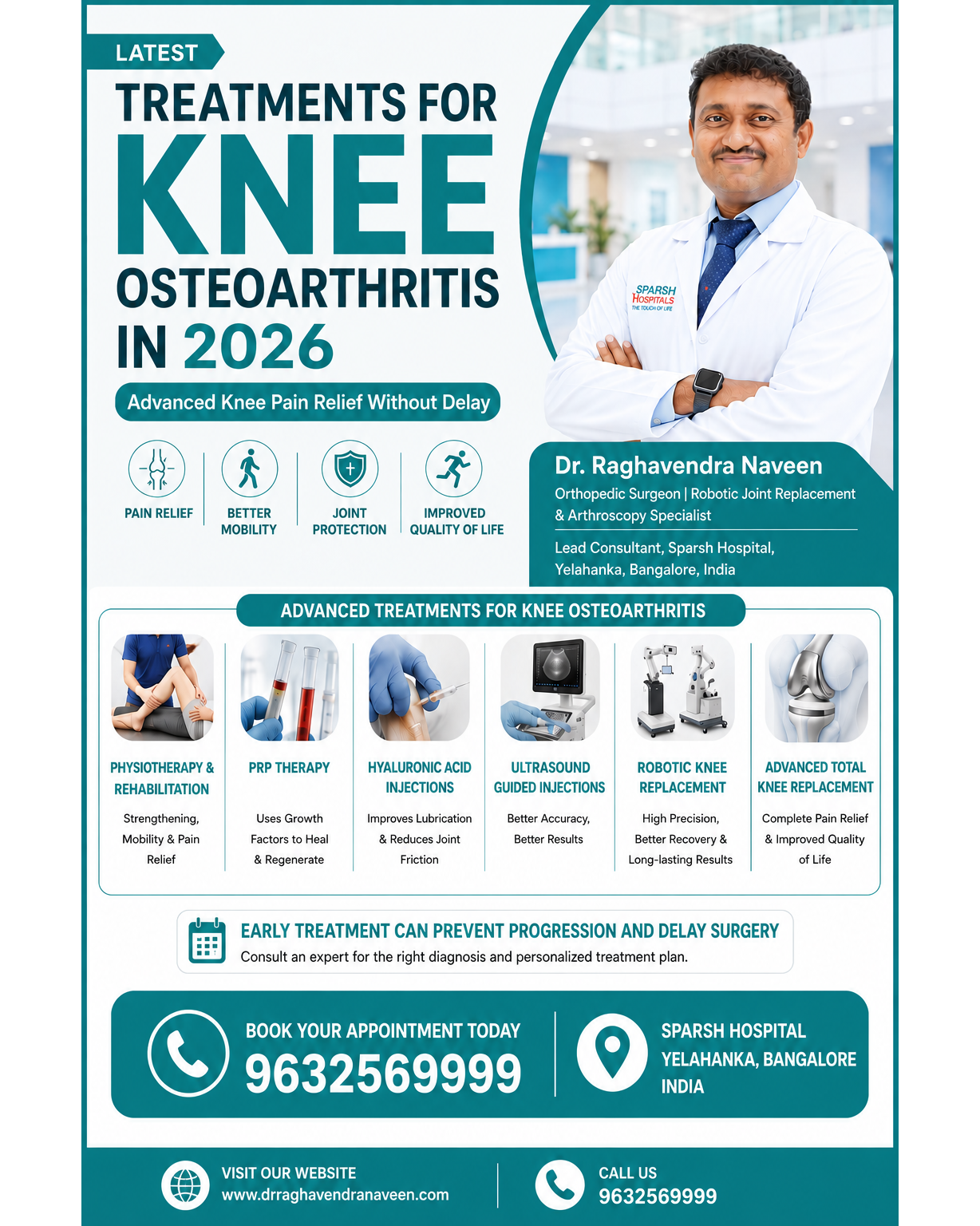
Latest Treatments for Knee Osteoarthritis in 2026: Advanced Knee Pain Relief Without Delay
Dr. Raghavendra Naveen Orthopedic Surgeon | Robotic Joint Replacement & Arthroscopy Specialist
Lead Consultant, Sparsh Hospital, Yelahanka, Bangalore, India
📞 Appointments: +91 9632569999
Are You Struggling with Knee Pain Due to Osteoarthritis?
Knee osteoarthritis is one of the leading causes of chronic knee pain and disability worldwide. It occurs when the cartilage that cushions the knee joint gradually wears down, resulting in pain, stiffness, swelling, and difficulty performing everyday activities.
The good news is that 2026 has brought significant advancements in knee osteoarthritis treatment. Modern treatment options focus not only on relieving pain but also on improving mobility, preserving joint health, and helping patients maintain an active lifestyle.
If you are looking for the latest knee osteoarthritis treatment in Bangalore, understanding these advanced options can help you make informed decisions about your knee health.
What Is Knee Osteoarthritis?
Knee osteoarthritis (OA) is a degenerative joint condition in which the smooth cartilage covering the ends of bones gradually deteriorates. As cartilage wears away, bones begin rubbing against each other, causing:
Persistent knee pain
Joint stiffness
Swelling
Reduced flexibility
Difficulty walking
Knee instability
Grinding or clicking sensations
Without proper treatment, symptoms can progressively worsen and significantly affect quality of life.
Latest Treatments for Knee Osteoarthritis in 2026
1. Personalized Physiotherapy and Rehabilitation Programs
Physiotherapy remains the foundation of osteoarthritis management.
Modern rehabilitation programs focus on:
✔ Quadriceps strengthening
✔ Hamstring flexibility
✔ Balance training
✔ Gait correction
✔ Functional movement training
Customized exercise programs can reduce pain, improve stability, and delay disease progression.
2. Platelet-Rich Plasma (PRP) Therapy
PRP therapy continues to be one of the most sought-after non-surgical treatments for early and moderate knee osteoarthritis.
The procedure involves:
Drawing a small amount of the patient's blood
Concentrating growth factors through centrifugation
Injecting the platelet-rich plasma into the knee joint
Benefits of PRP
Reduced inflammation
Improved joint function
Faster recovery
Minimally invasive treatment
Potential cartilage preservation
PRP is particularly beneficial for active individuals who wish to delay surgery.
3. Hyaluronic Acid (Viscosupplementation) Injections
Hyaluronic acid is a naturally occurring lubricant within the knee joint.
As arthritis progresses, joint lubrication decreases.
Benefits
Improved lubrication
Reduced friction
Enhanced mobility
Pain relief during walking
These injections are commonly recommended for mild to moderate osteoarthritis.
4. Combination Injection Therapy
Recent advances have shown promising results with combined biologic treatments.
Some patients benefit from:
PRP + Hyaluronic Acid
Sequential biologic therapies
Ultrasound-guided precision injections
This approach may provide longer-lasting symptom relief in selected patients.
5. Ultrasound-Guided Precision Injections
Modern orthopedic practice increasingly utilizes ultrasound guidance.
Advantages
Greater injection accuracy
Improved effectiveness
Reduced discomfort
Better treatment outcomes
Precision matters when delivering medications or biologics into the knee joint.
6. Robotic-Assisted Knee Replacement Surgery
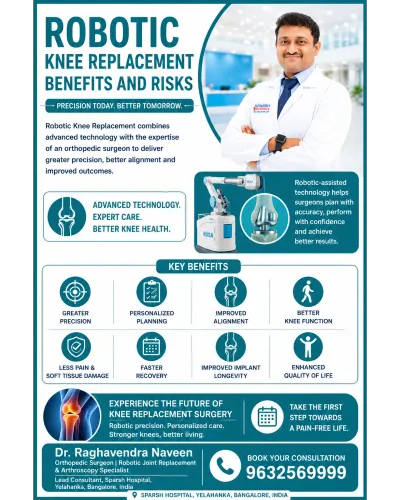
For advanced osteoarthritis, robotic joint replacement has transformed knee replacement surgery.
Benefits of Robotic Knee Replacement
✔ Enhanced surgical precision
✔ Improved implant positioning
✔ Better alignment
✔ Faster rehabilitation
✔ Improved long-term outcomes
✔ Greater patient satisfaction
Robotic technology allows personalized surgical planning tailored to each patient's anatomy.
7. Advanced Total Knee Replacement
For severe bone-on-bone arthritis, total knee replacement remains the gold standard treatment.
Modern implants and enhanced recovery protocols enable:
Early mobilization
Reduced postoperative pain
Faster return to daily activities
Excellent long-term durability
Who Is a Candidate for Advanced Knee Osteoarthritis Treatment?
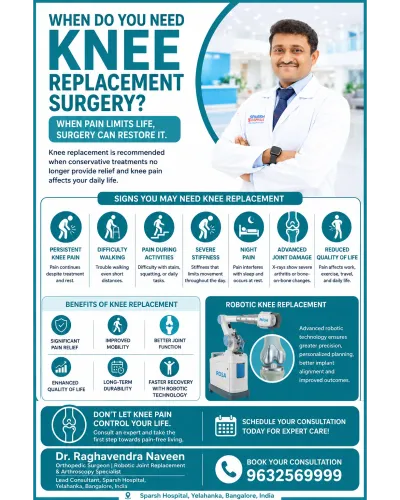
-You should consult an orthopedic specialist if you experience:
Persistent knee pain
Difficulty climbing stairs
Pain while walking
Night pain
Recurrent swelling
Reduced knee movement
Failure of medications and physiotherapy
Early intervention often produces the best outcomes.
-Do's for Knee Osteoarthritis Patients
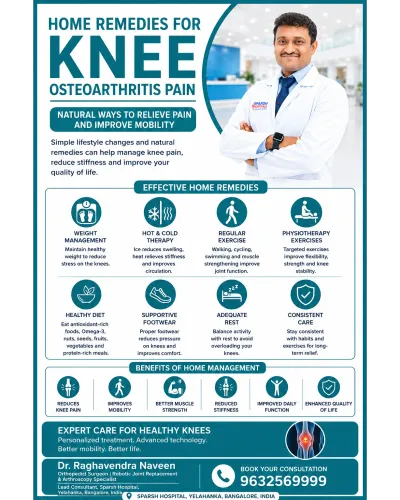
✔ Do Maintain a Healthy Weight
Even modest weight loss can significantly reduce stress on the knee joint.
✔ Do Exercise Regularly
Low-impact activities help strengthen muscles supporting the knee.
Recommended activities include:
Walking
Cycling
Swimming
Physiotherapy exercises
✔ Do Follow Medical Advice
Attend scheduled follow-ups and adhere to treatment plans.
✔ Do Wear Supportive Footwear
Proper footwear can improve alignment and reduce joint stress.
✔ Do Stay Active
Regular movement prevents stiffness and maintains joint function.
Don'ts for Knee Osteoarthritis Patients
❌ Don't Ignore Persistent Knee Pain
Early treatment can prevent progression.
❌ Don't Self-Medicate Long-Term
Excessive painkiller use can lead to unwanted side effects.
❌ Don't Gain Excess Weight
Obesity accelerates cartilage wear.
❌ Don't Perform High-Impact Activities
Avoid:
Jumping
Running on hard surfaces
Deep squats
Excessive stair climbing during painful flare-ups
❌ Don't Delay Specialist Consultation
Delayed treatment may reduce available treatment options.
Why Choose Dr. Raghavendra Naveen?
Dr. Raghavendra Naveen is a highly experienced orthopedic surgeon specializing in:
Robotic Joint Replacement Surgery
Total Knee Replacement
Partial Knee Replacement
Arthroscopy Surgery
Sports Injury Management
PRP Therapy
Knee Preservation Procedures
Advanced Osteoarthritis Treatment
As Lead Consultant at Sparsh Hospital, Yelahanka, Dr. Naveen provides evidence-based, patient-centered care utilizing the latest orthopedic technologies and treatment protocols.
Frequently Asked Questions (FAQ)
1. Can knee osteoarthritis be cured permanently?
Currently, osteoarthritis cannot be completely reversed. However, modern treatments can effectively reduce pain, improve function, and slow disease progression.
2. Is PRP treatment effective for knee arthritis?
PRP can be highly effective for patients with mild to moderate osteoarthritis by reducing inflammation and improving joint function.
3. How do I know if I need knee replacement surgery?
You may need knee replacement if:
Pain is severe
Daily activities become difficult
Conservative treatments fail
X-rays show advanced arthritis
4. What is robotic knee replacement?
Robotic knee replacement uses advanced computer-assisted technology to improve surgical accuracy and implant positioning.
5. How long does recovery take after knee replacement?
Most patients begin walking within days of surgery and continue improving over several months with rehabilitation.
6. Can exercise worsen knee osteoarthritis?
Appropriate low-impact exercise is beneficial. However, high-impact activities may aggravate symptoms.
7. Is knee osteoarthritis common in younger adults?
Yes. Sports injuries, obesity, genetics, and previous ligament injuries can lead to earlier onset osteoarthritis.
8. When should I see an orthopedic surgeon?
Consult an orthopedic specialist if knee pain persists for more than six weeks or interferes with daily activities.
Book Your Consultation Today
Dr. Raghavendra Naveen
Orthopedic Surgeon | Robotic Joint Replacement & Arthroscopy Specialist
Lead Consultant, Sparsh Hospital, Yelahanka, Bangalore, India
📞 Call: +91 9632569999